
HMI design directly affects operator response and system reliability.
Human-System Interaction
Designed for Clear Action
An HMI only works when operators can understand and act on it under real operating conditions. Poorly designed interfaces slow response, increase errors, and force workarounds when clarity matters most.
Turn-Key Controls designs HMIs that present the right information at the right time, using clear layouts, consistent navigation, and behavior aligned with the underlying control logic. Interfaces are developed to support how systems are actually operated, not how they look in a demo environment.
What a Well-Designed HMI Should Enable
Clear visibility into system status and process conditions
Actionable alarms that prompt appropriate response
Intuitive access to setpoints, modes, and recipes
Historical context that supports troubleshooting

HMI Design Approach
Interfaces Aligned with How Systems Operate
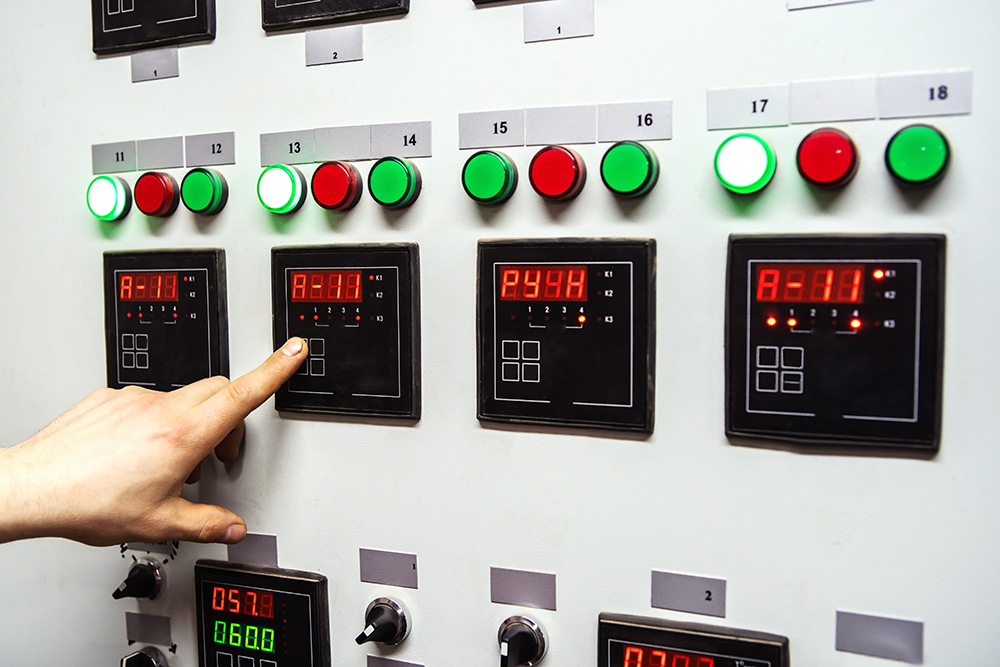
Most HMI problems are not visual issues. They are behavior mismatches.
Information prioritized by operational risk
Navigation shaped by operator workflows
Consistent control behavior across modes
Status that reflects real system state
Most HMIs fail slowly, not immediately.
HMIs Built to Be Lived With
HMI interfaces are often modified, expanded, and inherited by new teams long after commissioning. Without structure and consistency, small changes compound into clutter, confusion, and risk.
Turn-Key Controls designs HMIs with long-term ownership in mind. Screen patterns, navigation models, and naming conventions are established so interfaces remain understandable, supportable, and safe to modify as systems evolve.
Ready to Get Started?
Let’s Build Your System.
Turn-Key Controls delivers proven automation, electrical, and controls expertise to design, build, and support systems tailored to your exact requirements.
Let’s talk about your next project.
Need to speak with someone now?
Call us.
250.549.4701